
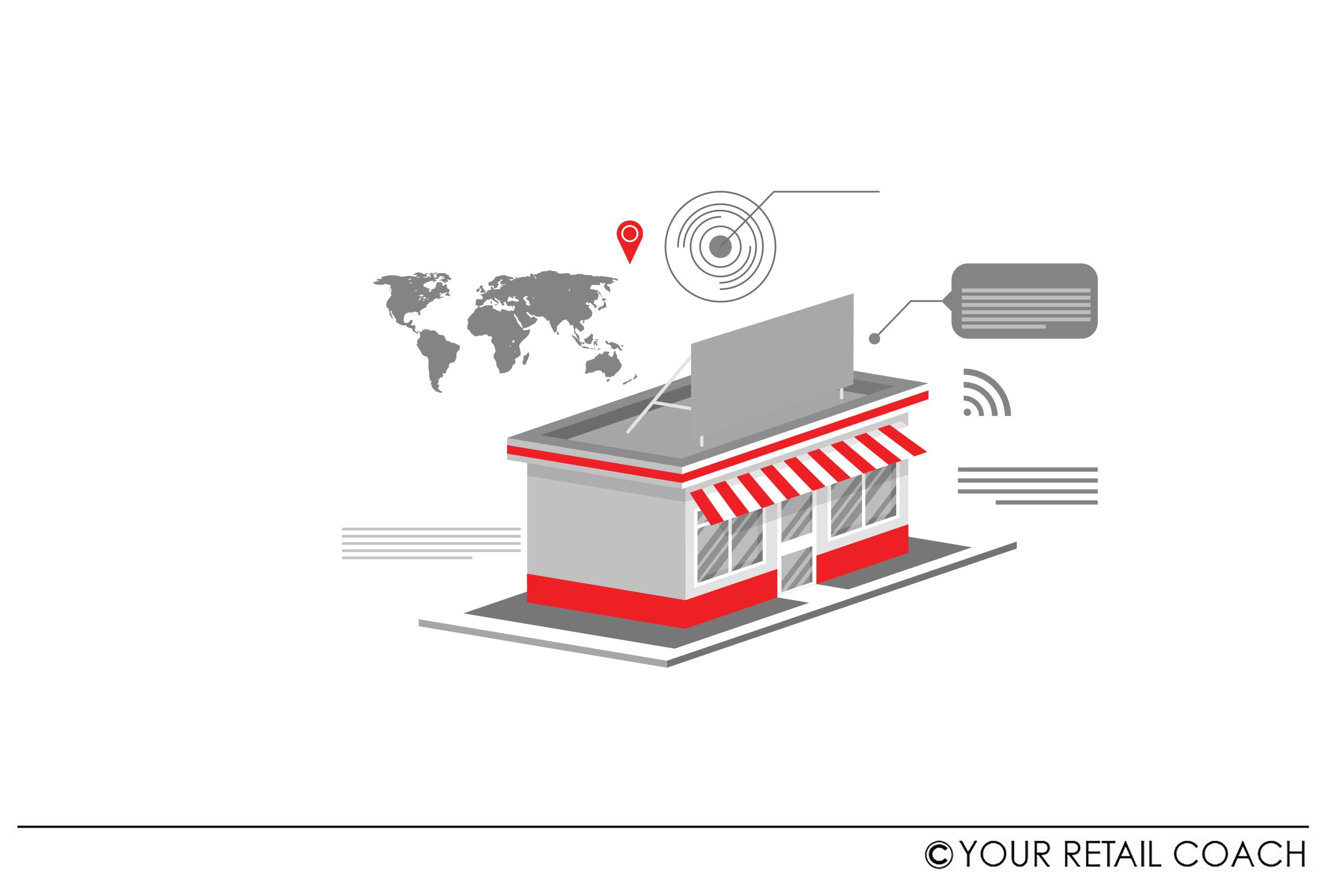
Retail site planning is the foundation of any successful store opening. It’s not simply picking a nice location, it’s a strategic process to match the retailer’s goals with the realities of a given market. Retailers must consider many aspects, such as demographics, accessibility, pedestrian volumes, competition, and infrastructure. Whether launching a flagship or expanding a chain, location decisions will ultimately either propel growth or retard it.
In new markets like Africa, a single poor site decision can derail significant, well-conceived business plans. A strategic approach to site planning does not only support the initial store opening, but in many cases, provides the foundation for a sustainable operation. A location will be assessed on every aspect important to the retailer, such as zoning, possibility for expansion, demographics, etc. Ultimately, sound retail site planning provides brick-and-mortar brands with added local relevance, enhances visibility, and unlocks access to profitable consumer segments. It bridges the gap between market research and execution to convert strategic intent into retail execution excellence.
Why Site Selection is Crucial for Store Success
Site selection is not just a task to be checked off, it is a potential risk factor in retail sustainability. The customer perception of a physical store location also defines customer access, brand visibility, and profitability picture. Even multinational retail groups have found it difficult to succeed in new political, social, and business locales due to poorly interpreted geographical misinformation. Which is why understanding the local ecology is critical, especially in geographies that include diverse economies like Africa.
Retailers will be working through many factors: Will people use public transportation to access your site? How much parking is available? Foot traffic at the different times; what do the nearby competitors do? The site selection process directly relates to the customer experience and operations process.
Retailers who pursue aggressive market entry deliberations assume a substantial fixed cost, with little or no return if the site selection is poorly executed. If the site selection has been thoroughly vetted, it provides the retailer with the opportunity for elegantly executed brand acknowledgment, or trigger brand exposure, with greater probabilities and a financial return.
Key Elements in Optimizing Retail Site Selection
Optimizing retail site selection requires data-driven decision-making and an understanding of local markets. Retailers must look beyond the availability of real estate, and consider consumer behaviour, patterns of traffic and competitive set. Moreover, while high-traffic areas may seem opportunistic, it is less important to think about the number of people in an area – for retailers, it is more important that the audience matches your target consumer demographic.
Geospatial analysis, customer heat maps, and psychographic segmentation can improve the accuracy of site planning.
In the retail context in Africa, issues like supply of electrical power, variations in compliance with regulatory, and local buying behaviours will need to be factored in too. Retailers in Africa must also carry out extensive feasibility studies, to understand what feasibility means and to ascertain longer-term viability.
Retailers must consider the dizzying array of technology based tools along with predictive modeling to ensure they are maximizing site selection. This in turn will ensure the retailers match their expectations of expanding into those strategic sites which equates with organisational retail growth anticipation, without the shock of introducing too much risk during the entry and subsequent phases of expansion into new markets.
How Retail Chain Expansion Consultants Add Value
Retail chain expansion consultants offer both market intelligence and technical skills for new store site planning. They are aware of local regulations, zoning restrictions, customer purchase behavior, and the factors influencing the dynamics of commercial real estate. This knowledge is important in markets such as Africa where market nuances vary greatly.
Retail chain expansion consultants frequently work alongside internal retail teams to identify how best to implement the strategic goal as it pertains to site development and Retail Chain Expansion. Their roles involve creating site shortlists, undertaking feasibility analyses, and evaluating ROI. Retail chain expansion consultants help manage stakeholder relationships with parties such as landlords, governmental departments, and infrastructure providers.
When retailers look to open multiple locations at once or saturate a region, consultants assist in making the process manageable and/or reducing risks. They also assist with avoiding common mistakes such as over-saturation or site selections in unsuitable amounts of inadequate infrastructure. In general, a strong retail chain expansion consulting partner will ensure that each new store reflects larger business metrics like brand expansion, customer experience, and profitability.
Retail Site Planning for Market Entry in Africa
Africa’s rapidly expanding middle class and urbanization provide retail opportunities on a grand scale, only if you have the correct market entry strategy. When entering one of the most interesting and varied continents in the world, site planning is paramount. Within the continent, different countries and regions provide distinct consumer behaviour, economic contexts, and infrastructure hurdles. Retailers must examine not only where the consumers are located but how they shop. In markets such as Nigeria, South Africa, or Kenya, infrastructure development and digital penetration will also influence retail behaviour. A well-planned site in a busy township may perform better than one in an urban mall, depending on demographics.
Part of good site planning to support retail entry bids in Africa, is drawing on local partnerships, complying with local legislation, and having a handle on cultural preferences. Retailers that do not take into consideration these factors will face delays, inadequate foot traffic, or an unfortunate hit to their public reputation.
Integrating retail site planning with entry market strategy enables a business to eliminate risks and position them for success over the long term. Smart location decisions give new markets peace of mind and trust based on delivery, accessibility, and quality.
Building an Expansion Roadmap with Strategic Planning
Retail growth isn’t simply the art of opening stores in random locations – it is a thoughtful expansion roadmap that creates sustainable growth and success. Such a roadmap requires market research and takes data on sites before creating final sites. Strategic retail site planning is a key step in that process.
A successful and sustainable expansion roadmap answers questions such as: which cities are providing the best ROI? What type of real estate resonates best with our customer base? Is it better to create a hub-and-spoke framework or to have a high-street presence?
Retailers entering Africa must consider logistics, real estate cycles and socio-economic fluctuations. Site planning must also equally consider the brand’s position on penetration, prestige, and accessibility.
A roadmap should include a combination of primary and secondary markets. There should also be flexibility for potential pivots based on performance reports. Strategic site planning can reduce unpredictability, mitigate capital deployment, and speed up time to profit.
Retail Site Planning for Growth
For sustainable retail growth, it is important that businesses treat site planning as part of their strategy instead of an isolated piece. Planning where to open a store is a key decision that an organization can make in terms of both day-to-day business operations and the longer-term business objectives such as strategic brand positioning, supply chain considerations, improving customer service and minimizing the impact to the customer experience.
Retailers also need to consider how site planning affects their marketing approach. When you find the right location, your brand enhancement and customer acquisition costs tend to be lower. Alternatively, selecting the wrong site for the type of business can dissipate limited resources, and negatively impact brand image and customer perceptions.
In more dynamic markets, like Africa, where the underlying real estate dynamics can change weekly or monthly, and consumers are more fickle in their purchasing behaviours, a holistic approach provides implications to a consumer market and changes in costs. Retailers who integrate site planning into a growth planning process can make incremental investment capital decisions, operationally respond faster to changes in the market and establish a sustainable brand presence across diverse geographies.
FAQs
How do retail consulting experts on chain expansion assist retailers with their retail growth strategy?
They assist with site analysis, feasibility, and execution of site planning with respect to retailers’ core values, objectives and mission. Their expertise assists with better investment decision-making, ultimately assisting retailers with more efficient multi-store expansion in new regions, such as Africa.
Why is site selection optimization important in Africa?
Africa is a continent comprising regions, demographics, infrastructure, and shopping habits which vary greatly within the same geographic regions. With site optimization, accessibility, satisfaction, and sales performance can be improved while minimizing financial risks when entering unfamiliar markets.
What is the purpose of site planning in market entry strategy?
Site planning informs how accessible the store will be, and what relevance it has on a local level, as well as whether the format can be configured for success operationally. Site planning ensures a retailer has the opportunity to enter a new regional market with consumer demands in mind, as well as regulatory compliance, and long-term sales forecasts for further growth.
Where does an expansion roadmap fit into retail success?
The expansion roadmap clarifies where we are going to grow, when we are going to grow and how we are going to grow. The roadmap offers an assessment of risk vs available resources, and ensures that each location fits within a scalable retail growth plan that is directionally driven with data-based assurances.